Bridges
Missing Teeth?
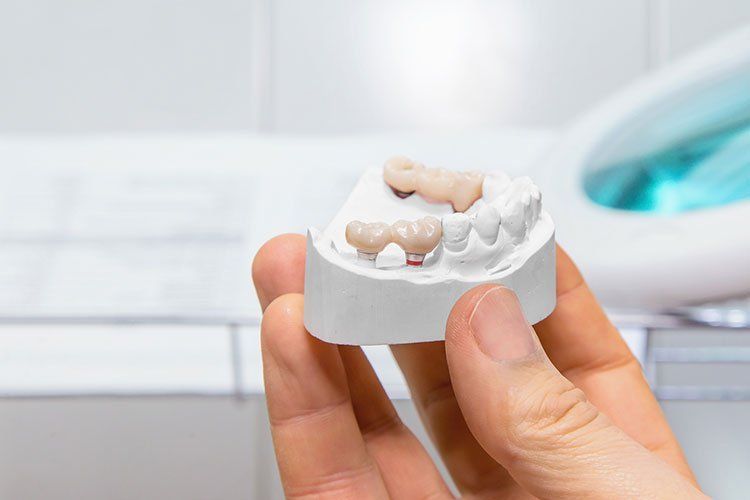
A bridge can also be supported by dental implants. If a single tooth is missing, it can be replaced by an individual dental implant but when three teeth in a row are missing, they can be replaced by an implant-supported bridge. Most patients consider this to be a more satisfactory solution than a partial denture.
Meet Jonathan E. Silverman, DDS
- Master of the Academy of General Dentistry
- Fellow of the International College of Oral Implantologists
- Maryland State Dental Association
- Member of the Maryland State Forensic Dental Committee
- Past President of the Maryland Academy of General Dentistry
- Former Chairman of the Maryland AGD Continuing Education Committee
- Baltimore County Dental Association
- Baltimore Academy of General Dentistry
- Owings Mills Study Club
- American Academy of Cosmetic Dentistry
- American Academy of Clear Aligners
What Our Patients Are Saying
"Dr Silverman is one of the best I have ever met. The staff is wonderful and are very happy to see you. I live 60 miles away and will never go to anyone but him.
Stanley N.
★★★★★
"Great experience! Great dentist and associates! Great office staff! Bright clean office! Honest assessment and pricing! No, No, No, pain! Thank you Dr. Sliverman and everyone else in the office!"
Jo'Ann B.
★★★★★
"Hands down the best dentist I have ever had!! He knows my comfort level and is always willing to go the extra mile to make me comfortable!!"
Nekia R.
★★★★★
A bridge is a long-lasting solution when it is properly cared for. How can you ensure your bridge lasts as long as possible?
- Maintain a good at-home hygiene regimen as advised by your dentist.
- Make regular visits to your dentist for cleanings and examinations.
- Floss under the bridge each day.
- If you are grinding your teeth at night, consult with your dentist and see if you need to wear a night guard while you sleep.
- If you are athletic, ask your dentist to create a mouth guard to be worn during games.
A bridge can be expected to last as long as 15 years. The better your care, the longer it will last. If you receive a bridge when you are young, you can expect to need a new bridge eventually, even if you take good care of it.
How a Dental Bridge Procedure Is Done
The procedure for a dental bridge will vary depending on the type of bridge being provided to a patient. If a bridge is to be supported by dental implants, the implants will be placed first. What follows is a description of how the procedure goes for these two types of bridges.

Implant-Supported Bridge
- The dentist verifies that the bone in the area to receive implants is healthy and strong enough for implants. If it is not, a bone graft may have to be done first.
- One implant—the metal post that serves as a “root” for the tooth—is placed in the jaw on either side of the gap.
- The area is monitored while healing.
- When the implants have bonded well with the bone, a bridge consisting of all the replacement teeth is secured to the implants.
Conventional Bridge
- The healthy teeth on either side of the gap are reshaped so crowns will fit over them.
- An impression of the teeth and mouth is taken so a lab can create a bridge that fits into this area. Temporary crowns are placed over the prepared teeth.
- The bridge is manufactured and sent to the dentist.
- The bridge is checked for an exact fit and match to the other teeth.
- It is then cemented into place.
There’s no need to experience gaps in your smile.
Ask your dentist which type of bridge is right for you.
Request an Appointment
*We DO NOT ACCEPT HMO Insurance, State Insurance, Medicaid/Medicare, or discount plans. Fees apply for services.